Showing posts with label place-based learning. Show all posts

Thursday, 10 December 2015

Collections in the Landscape


Collections in the Landscape


Out of the thrilling store-rooms of the Museum where fossils rest in long trays and years of prints and paintings hang in sliding racks and a stray toad-man could be lost for centuries (I know. I tried. They found me.), Buxton Museum and Art Gallery is unfolding a new project that will offer a whole new set of ways of accessing
Dovedale
the museum from here, there and anywhere and will take those wonderful collections back out into the hills and caves and dales they came from.

A quote from the Collections in the Landscape blog
“Buxton Museum and Art Gallery is delighted to have been awarded a £869,000 Heritage Lottery Fund grant to deliver Collections in the Landscape. The project will bring bring context and collections together to engage more people with their heritage. Our aims are:

  • To improve public access to museum collections through development of virtual resources.
  • To improve public access to museum collections through the redevelopment of the principle gallery, Wonders of the Peak.
  • Enable schools and researcher to more effectively access and engage with heritage.
  • Link collections and knowledge through a network of partnerships and volunteer programmes.
  • To develop and share curatorial skills, ethical practice and digital media skills with staff, visitors, non-visitors and volunteers.”
Visit the Collections blog to find out more

Just now, what I want to say is that I’ve been asked to coordinate a series of events over the next 18 months or so that will take the CITL ideas and introduce them to people across the Peak District in engaging, creative and exciting ways

It’s great! I’m sidetracking myself into delighted flights of fancy and reluctantly deciding that we can’t really revisit plague and the medieval punishments of the Royal Forest of the Peak and acknowledging that dipping irritating visitors into petrifying wells might be fun but isn’t really “visitor friendly”.

So we are distilling ideas down to an ongoing set of excitements. I’m gathering a team of artist, photographers, ancient technology specialists and trouble-makers (Oo! Another excuse for those medieval punishments!) to help me and we’ll set a series of public events, schools sessions and more intensive learning days in motion.  I’ll post events as they come up but to whet appetites, over the next 3 months there will be

         The Last of the Wonders: 23rd December 10 – 1pm in the Museum: telling tales of the Peaks and inviting visitors to share their stories of the exhibition, drawing their own cards to keep and leaving us notes, comments and stories in our “Book of the Wonders”. A final event for this version of the display before it is redesigned and reinvigorated
         Marvelous Minerals: February 2016: a day of crystals and colour, looking at the mineral worlds of the peaks and the secrets that grow so slowly and reveal such spectacular colours in our caves and tunnels and long, slow-dripped caverns
        
Bone Detectives: March, 2016, for British Science Week: inviting visitors to discover the secrets of the skulls and spruce up their natural history skills: looking at shapes and structures and adaptations in skulls and discovering how these give us clues about the animals and their lives even if we are not sure what the animal might have been. Our friends in local group Stone and Water have received a Science Week grant towards this event so we can do more! Play with more bones, Admire more skulls! There will be a public event, a workshop for adults during the week and an evening visit to a group of scouts, guides, brownies – or similar – we’re taking offers if any local groups see this!


More details of all of these and the next set will be posted very shortly!

Tuesday, 28 January 2014

The Hatching


Singing the fish, 1:
The Hatching
river catchment area up at Wycoller in Trawden

A new project begins now. 6 schools in Burnley have received aquaria and are now hatching small numbers of fish eggs so that the school communities can watch these first few weeks of trout-life before releasing the fish into the rapidly improving River Ribble

My friend Steve Brown are going to be working in those 6 schools to write poems and stories and make music inspired by this process. The resulting artwork will help reinforce the experience and will help us share the excitements and anticipations of The Hatching with a wider public

Activities began on Saturday as part of an Open Day at the Canalside Community Association's centre in Burnley. There between storytelling and noisy drumming sessions we were making the components of a healthy river….with a few implausible additions

Over the next few weeks, I'll add poems, pictures and music (if I can manage that) to share the excitement of our new families

"In the past, industrial and agricultural pollution as well as water abstraction and inadequate sewage treatment have caused severe habitat damage to the Ribble and its tributaries, to such an extent that the wildlife supported by the river has been put under threat. The Trust was established in order to enhance the water environments of the catchment, by restoring and protecting the river to make certain that future generations can enjoy the beauty of its wildlife and fauna." - introduction from the Trust's website 


sharks and a crocodile claim local children


Tuesday, 16 July 2013

Wandering in the West

Out in the west of ireland now for a few days (thank you Grundtvig funding!) to attend the Burrenbeo Land-based Learning conference and meet a couple of other organisations.

Too much travelling today! But travelling into such an exciting landscape

In Caherconnel ringfort, I got very distracted by their stone walls....


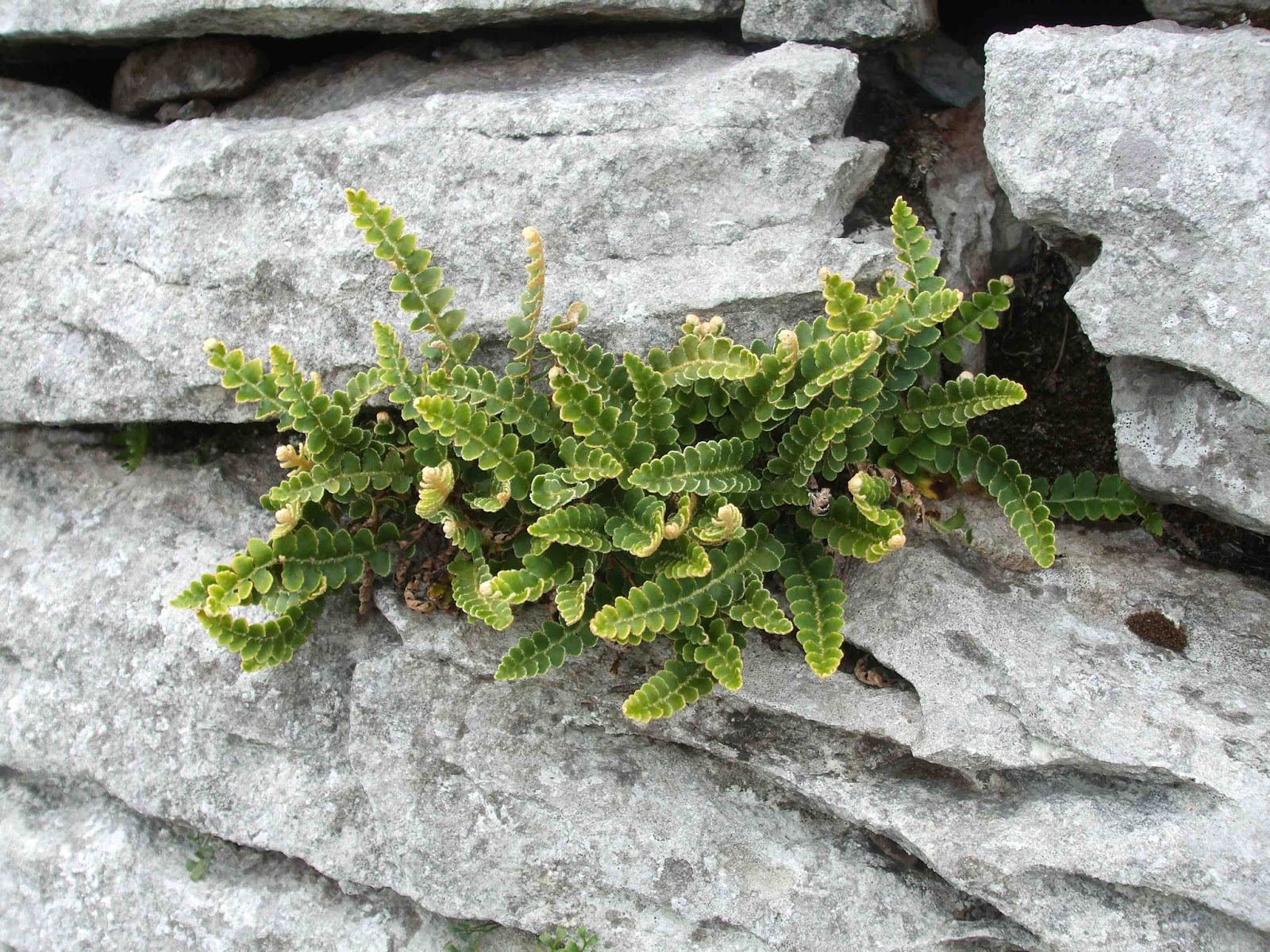
Beautiful ferns tucked into the cracks in the limestone pavements (are they still called grikes in ireland?)


 Hanging over a wall, failing to photograph tadpoles in a cattle-trough!


And this lovely piece of writing:
This barony affordeth not a piece of timber sufficient to hang a man, water in any one place to drown a man or earth enough in any place to bury him. This consists of one entire rock with here and there a little surface of earth, which raiseth earlier Beef and Mutton, though they allow no hay, than any land in this Kingdome, & much sweeter by reason of the sweet herbs intermixed and distributed everywhere...
The Journal of Thomas Dineley, 1681